

Gin Basil Smash

GIn Sail Smash Non-Alcoholic Cocktail

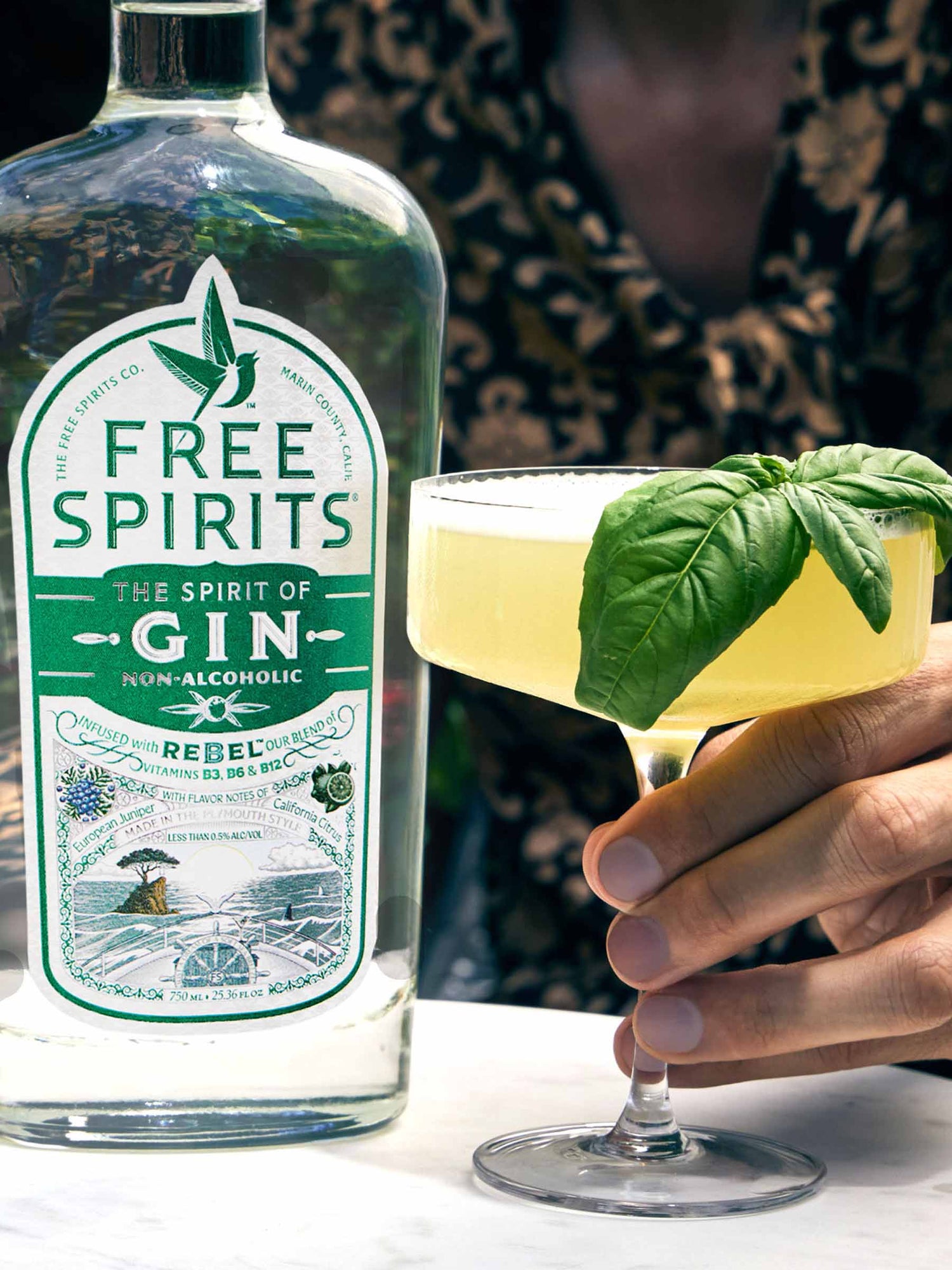
The Gin Basil Smash is one of the few modern drinks that feels inevitable. Gin, lemon, sugar, and fresh basil, put together in a way that makes you wonder why it took so long to show up.

Lemon sets the structure, simple syrup rounds it into place, and the basil carries through the drink with a clear, aromatic lift that reads as both fresh and slightly savory. It’s not a garnish here. It’s the defining element, and when handled correctly, it gives the cocktail its unmistakable character.

Built on The Spirit of Gin, the result is bright, precise, and fully resolved. It’s a drink that looks simple, and is, but still manages to feel complete in a way that most variations never quite do.

star

Why This Works

At its core, the Gin Basil Smash follows the classic sour framework: spirit, citrus, and sweetener in balance.

Lemon provides the acidity, simple syrup softens it, and The Spirit of Gin carries the botanical base. What changes the equation is the basil. Used in quantity and handled with care, it integrates into the drink rather than sitting on top of it, adding a fresh, aromatic layer that feels both clean and structured.

Technique does most of the work here. Basil should be gently muddled to release its oils without pulling bitterness, and double straining keeps the texture clear and focused. The result is a drink that feels precise without being delicate, and expressive without losing its shape.

About Free Spirits: The Spirit of Gin

The Spirit of Gin is modeled on the softer, earthier profile of Plymouth gin, crafted with real juniper, coriander, and citrus botanicals to deliver balanced juniper, subtle spice, and gentle citrus without turning sharp or medicinal. It has the structure needed for gin cocktails: body to carry tonic and vermouth, smoothness for spirit-forward builds, and brightness to lift citrus in Gimlets and Tom Collins variations. It holds shape and provides backbone alongside bold ingredients like elderflower, cucumber, or aromatic bitters. Performs reliably in Martinis, Negronis, Gin & Tonics, and any cocktail that expects gin with definition and restraint.

From Sour Template to Herb-Driven Classic

The Gin Basil Smash is a relatively recent addition to the cocktail canon, created in 2008 by Jörg Meyer at Le Lion in Hamburg. Despite that, it quickly took on the feel of a modern classic, helped along by its simplicity and a name that tells you exactly what’s in the glass.

The drink builds on the sour template but shifts the focus toward fresh herbs. Instead of treating basil as a garnish, it becomes central to the drink’s identity, shaping both aroma and flavor. That approach helped define a broader wave of herb-forward cocktails that moved beyond citrus as the primary point of interest.

Its staying power comes from that balance. Familiar structure, but a distinct point of view.

Zero-Proof Cocktail Basics

What is a zero-proof cocktail?

A zero-proof cocktail is a fully built drink that follows the same principles as any classic: acid, sweetness, aromatics, dilution, and a defined base spirit. The difference is the base is non-alcoholic. When that spirit has enough structure and character, like the ones we make, you get a cocktail that drinks like a cocktail, not a compromise.

How do non-alcoholic spirits work in classic cocktail recipes?

Non-alcoholic spirits step into the role of the base spirit. They carry citrus, sugar, bitters, and dilution the same way their alcoholic counterparts do. Some recipes need small ratio adjustments, but the technique stays the same: build the drink, balance the elements, and let the base spirit define the profile.

Do zero-proof cocktails taste like the originals?

They taste like cocktails: recognizable, structured, and intentional. The goal isn't imitation; it's integrity. When the build is balanced and the spirit has presence, you get the character of the drink without relying on alcohol to do the work.

Can zero-proof cocktails have real complexity?

Yes. Complexity comes from design, not ethanol. A well-built zero-proof cocktail shows layers: aromatics, texture, finish. The craft sits in the composition, not the ABV. The right non-alcoholic spirit brings the structure; the ingredients do the rest.

What is the difference between zero-proof and low-proof cocktails?

Zero-proof cocktails contain no alcohol. Low-proof cocktails blend traditional spirits with non-alcoholic spirits to dial down the ABV while keeping the drink's identity intact. It's the easiest way to keep the ritual, cut the intensity, and stay in full control of the experience.

Why does Free Spirits work so well in both zero-proof and low-proof cocktails?

The Spirit of Gin is built with botanical complexity and enough body to hold vermouth and citrus in balance. Whether you use it as the sole base or split it with traditional gin, it behaves like a true cocktail foundation, keeping the drink crisp, layered, and recognizable.