

Milano Grand Prix

Milano Grand Prix

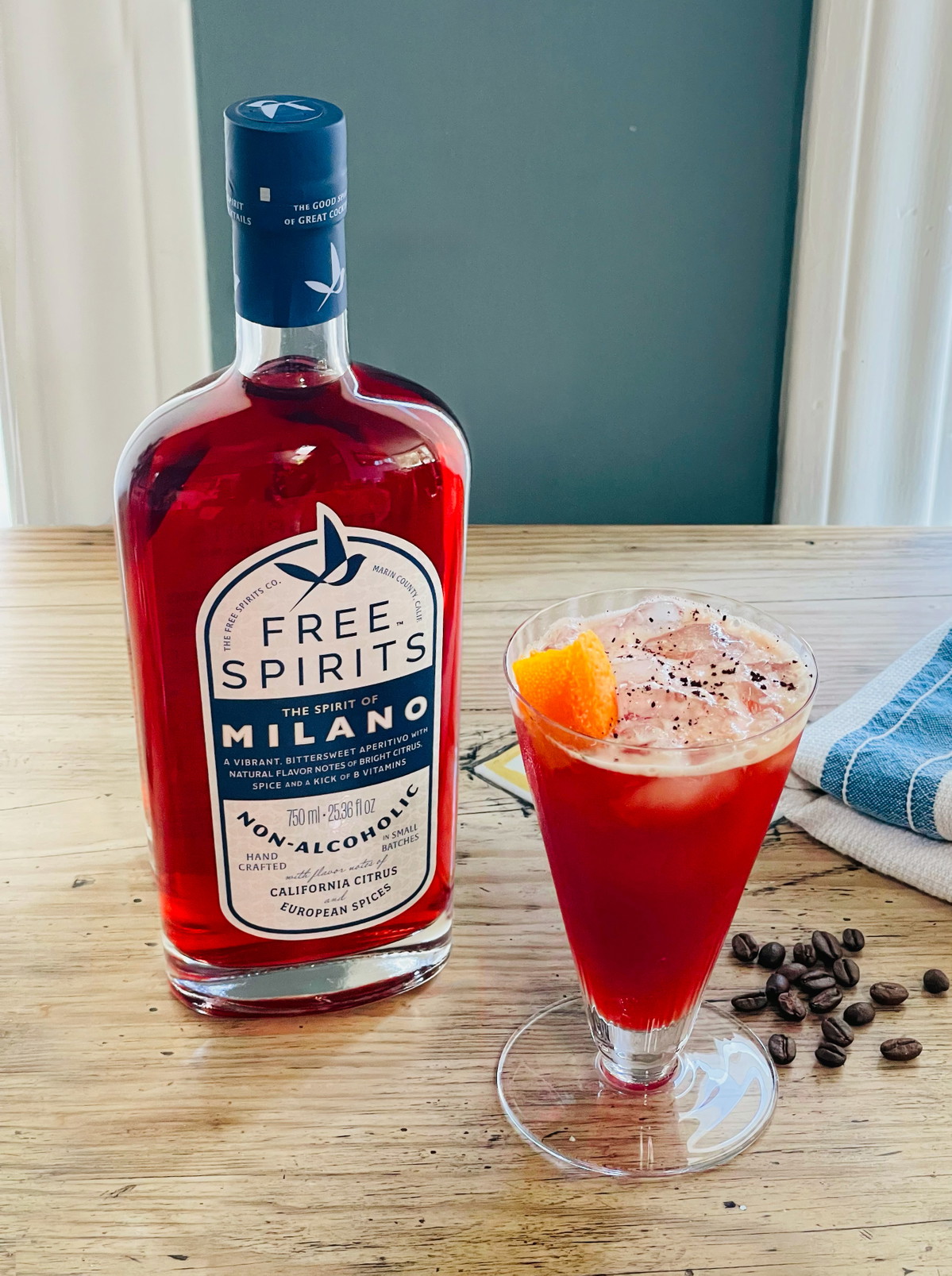
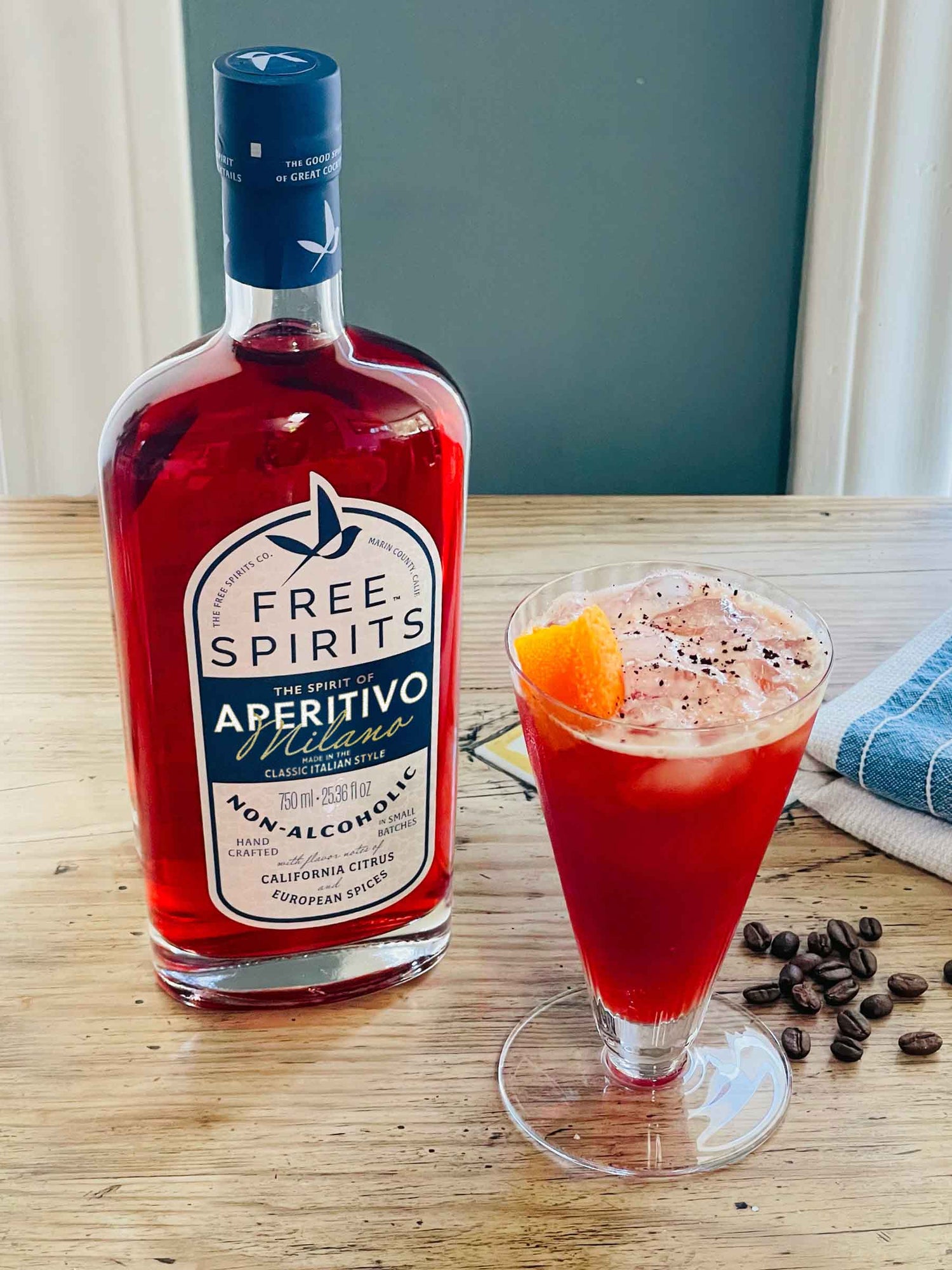
The Milano Grand Prix is a non-alcoholic take on Morgan Schick’s Grand Prix, built around grapefruit, coffee, and bitter aperitivo notes.

Grapefruit brings brightness, espresso adds depth, and a splash of tonic keeps everything lifted and refreshing. Built on The Spirit of Aperitivo Milano, the drink lands in a familiar bitter-citrus space, with the coffee adding structure rather than competing for attention.

It’s vibrant, balanced, and layered in a way that keeps each sip interesting from start to finish.
star

Why This Works

At its core, the drink balances bitter, citrus, and lightly sweet elements, with carbonation keeping everything in check.

Grapefruit provides acidity and lift, espresso contributes roast and depth, and The Spirit of Aperitivo Milano bridges the two with its bitter, citrus-driven profile. A small amount of simple syrup softens the edges, while chocolate bitters help connect the coffee and citrus into a more cohesive whole.

The splash of tonic adds length and freshness, ensuring the drink stays bright rather than heavy. The result is structured but easy to drink, with each element clearly defined.

About Free Spirits: The Spirit of Aperitivo Milano

The Spirit of Aperitivo Milano is built on the bittersweet, bitter-bright profile of northern Italian aperitivos, using citrus peel, gentian, bitter orange, and spice botanicals to deliver a pronounced bitter front, lifted citrus, and a rounded herbal core without drifting syrupy or artificial. Its structure gives spritzes real authority, with enough bite to cut through bubbles and enough depth to stay defined when lengthened with soda or tonic. The finish is clean, long, and lingering, the kind of bitterness that resets the palate rather than coating it. Exceptional in Spritzes, Americanos, Negroni variations, and any cocktail that calls for an aperitivo with balance, vibrancy, and disciplined bitterness.

From the Grand Prix to the Milano Grand Prix

Morgan Schick’s Grand Prix was created at Villon in San Francisco as a modern aperitivo-style highball, combining Campari, grapefruit, cold brew coffee, and tonic. The drink stood out for how naturally those elements came together, balancing bitterness, citrus, and coffee in a format that stayed light and refreshing.

The Milano Grand Prix follows that same structure, replacing the base with The Spirit of Aperitivo Milano while keeping the core idea intact. It remains a drink built on contrast and balance, where citrus, bitterness, and coffee work together rather than pulling apart.

Zero-Proof Cocktail Basics

What is a zero-proof cocktail?

A zero-proof cocktail is a fully built drink that follows the same principles as any classic: acid, sweetness, aromatics, dilution, and a defined base spirit. The difference is the base is non-alcoholic. When that spirit has enough structure and character, like the ones we make, you get a cocktail that drinks like a cocktail, not a compromise.

How do non-alcoholic spirits work in classic cocktail recipes?

Non-alcoholic spirits step into the role of the base spirit. They carry citrus, sugar, bitters, and dilution the same way their alcoholic counterparts do. Some recipes need small ratio adjustments, but the technique stays the same: build the drink, balance the elements, and let the base spirit define the profile.

Do zero-proof cocktails taste like the originals?

They taste like cocktails: recognizable, structured, and intentional. The goal isn't imitation; it's integrity. When the build is balanced and the spirit has presence, you get the character of the drink without relying on alcohol to do the work.

Can zero-proof cocktails have real complexity?

Yes. Complexity comes from design, not ethanol. A well-built zero-proof cocktail shows layers: aromatics, texture, finish. The craft sits in the composition, not the ABV. The right non-alcoholic spirit brings the structure; the ingredients do the rest.

What is the difference between zero-proof and low-proof cocktails?

Zero-proof cocktails contain no alcohol. Low-proof cocktails blend traditional spirits with non-alcoholic spirits to dial down the ABV while keeping the drink's identity intact. It's the easiest way to keep the ritual, cut the intensity, and stay in full control of the experience.

Why does Free Spirits work so well in both zero-proof and low-proof cocktails?

The Spirit of Aperitivo Milano has the bittersweet complexity and structural bitterness/brightness that aperitivo cocktails depend on. It brings enough intensity to stand alone in zero-proof Negronis, Spritzes, and Americanos, yet it also integrates cleanly when split with traditional aperitivos in low-proof builds. Whether used as the full base or in a half-and-half approach, it behaves like a true aperitivo, keeping the drink bright, balanced, and instantly familiar.