

Siesta

Siesta

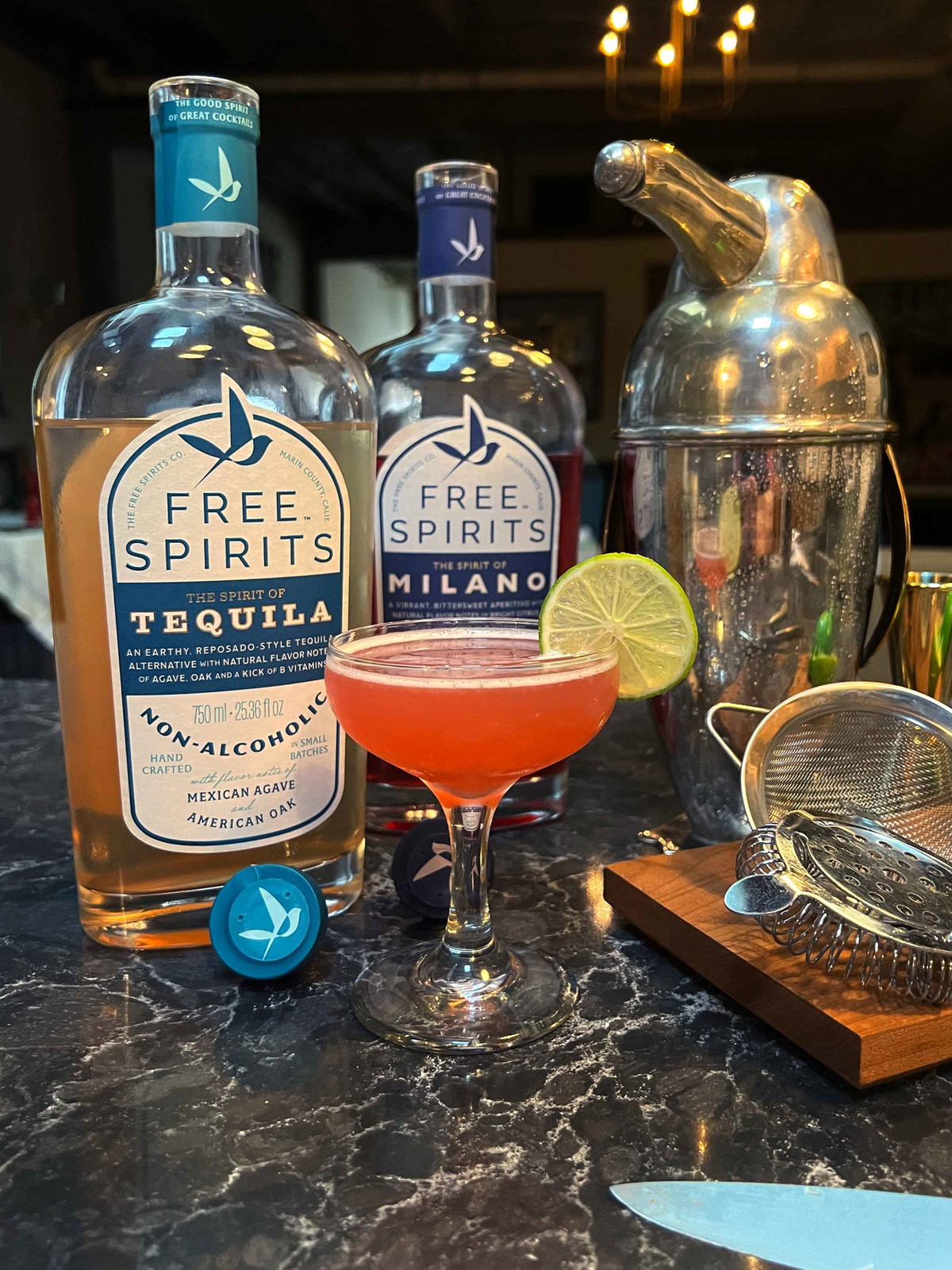
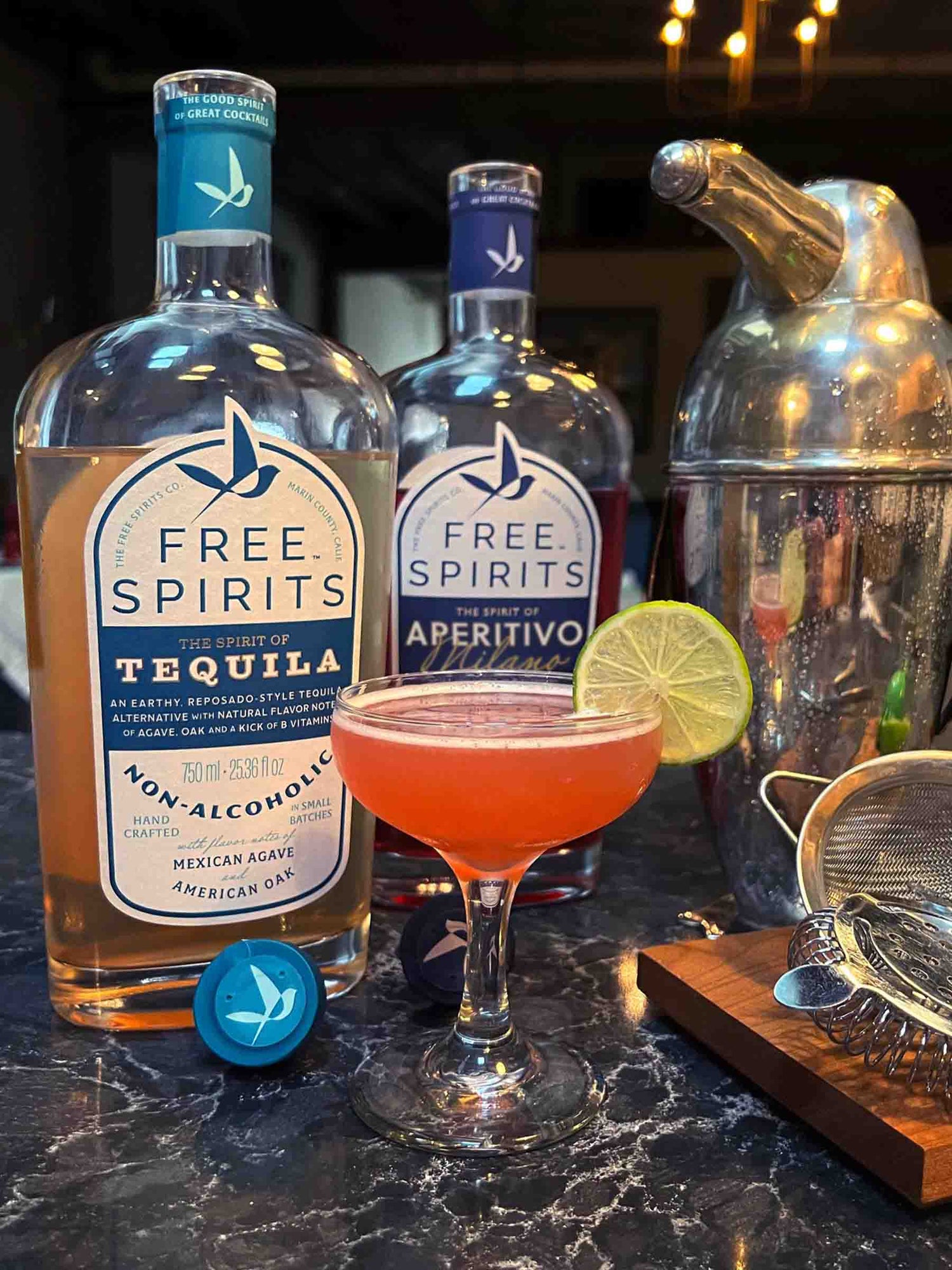
The Siesta belongs to the lineage of modern classics that grew out of the Daiquiri family, taking the bright, shaken structure of the Hemingway Daiquiri and pushing it toward tequila and bittersweet complexity. Lime and grapefruit give the drink its shape, with a restrained touch of sweetness that keeps the balance tight.

In this non-alcoholic version, The Spirit of Tequila brings clean agave depth and The Spirit of Aperitivo Milano supplies the bitterness that defines the drink. Citrus-forward, lightly bitter, and refreshing, it’s a cocktail that feels rooted in tradition while drinking firmly in the present.
star

Why This Works

The Siesta succeeds because its balance is built into the template. Lime provides acidity and drive, grapefruit adds breadth, and sweetness is kept deliberately restrained. The Spirit of Tequila supplies a clean agave base that anchors the drink, while The Spirit of Aperitivo Milano introduces bitterness that keeps the citrus from reading sharp or one-dimensional. Shaken and served up, the drink stays focused, crisp, and composed from first sip to last.

About Free Spirits: The Spirit of Tequila

The Spirit of Tequila is made with real Blue Agave and modeled on the depth and balance of a Reposado. It shows warm oak and gentle vanilla with a clean pepper heat and subtle smokiness that work naturally in agave-based cocktails. In mixed drinks, it has the presence to hold up to citrus, the structure to balance sweetness, and the clarity to stay defined when combined with stronger flavors. It performs reliably in Margaritas, Palomas, Ranch Waters, and any build that expects an agave spirit with enough character to stay present.

From the Hemingway Daiquiri to the Siesta

The Siesta was created in 2006 by bartender Katie Stipe as part of the modern cocktail revival, drawing directly from the structure of the Hemingway Daiquiri. By replacing rum with tequila and introducing bitter aperitivo in place of maraschino, the drink shifted the Daiquiri framework toward greater tension and complexity. It quickly found its place as a contemporary classic, valued for its balance of brightness and bitterness rather than overt sweetness.

Zero-Proof Cocktail Basics

What is a zero-proof cocktail?

A zero-proof cocktail is a fully built drink that follows the same principles as any classic: acid, sweetness, aromatics, dilution, and a defined base spirit. The difference is the base is non-alcoholic. When that spirit has enough structure and character, like the ones we make, you get a cocktail that drinks like a cocktail, not a compromise.

How do non-alcoholic spirits work in classic cocktail recipes?

Non-alcoholic spirits step into the role of the base spirit. They carry citrus, sugar, bitters, and dilution the same way their alcoholic counterparts do. Some recipes need small ratio adjustments, but the technique stays the same: build the drink, balance the elements, and let the base spirit define the profile.

Do zero-proof cocktails taste like the originals?

They taste like cocktails: recognizable, structured, and intentional. The goal isn't imitation; it's integrity. When the build is balanced and the spirit has presence, you get the character of the drink without relying on alcohol to do the work.

Can zero-proof cocktails have real complexity?

Yes. Complexity comes from design, not ethanol. A well-built zero-proof cocktail shows layers: aromatics, texture, finish. The craft sits in the composition, not the ABV. The right non-alcoholic spirit brings the structure; the ingredients do the rest.

What is the difference between zero-proof and low-proof cocktails?

Zero-proof cocktails contain no alcohol. Low-proof cocktails blend traditional spirits with non-alcoholic spirits to dial down the ABV while keeping the drink's identity intact. It's the easiest way to keep the ritual, cut the intensity, and stay in full control of the experience.

Why does Free Spirits work so well in both zero-proof and low-proof cocktails?

The Spirit of Tequila is built with agave-forward aromatics and enough body to hold citrus and sweetness in balance. Whether you use it as the sole base or split it with traditional tequila, it behaves like a true cocktail foundation, keeping the drink bright, structured, and unmistakably itself.