

Blood Orange Mule

Blood Orange Mule

A Mule is a forgiving template, and this version leans into that flexibility with blood orange and bourbon in place of the usual vodka build.

The ginger beer does most of the work, bringing spice and carbonation, while blood orange adds a softer, slightly richer citrus note than lime alone. Built on The Spirit of Bourbon, the drink picks up a rounder profile, with subtle vanilla and oak notes sitting underneath the citrus and spice.

It’s familiar in structure, but just different enough to hold your attention.

star

Why This Works

A Mule is a forgiving template, and this version leans into that flexibility with blood orange and bourbon in place of the usual vodka build.

The ginger beer does most of the work, bringing spice and carbonation, while blood orange adds a softer, slightly richer citrus note than lime alone. Built on The Spirit of Bourbon, the drink picks up a rounder profile, with subtle vanilla and oak notes sitting underneath the citrus and spice.

It’s familiar in structure, but just different enough to hold your attention.
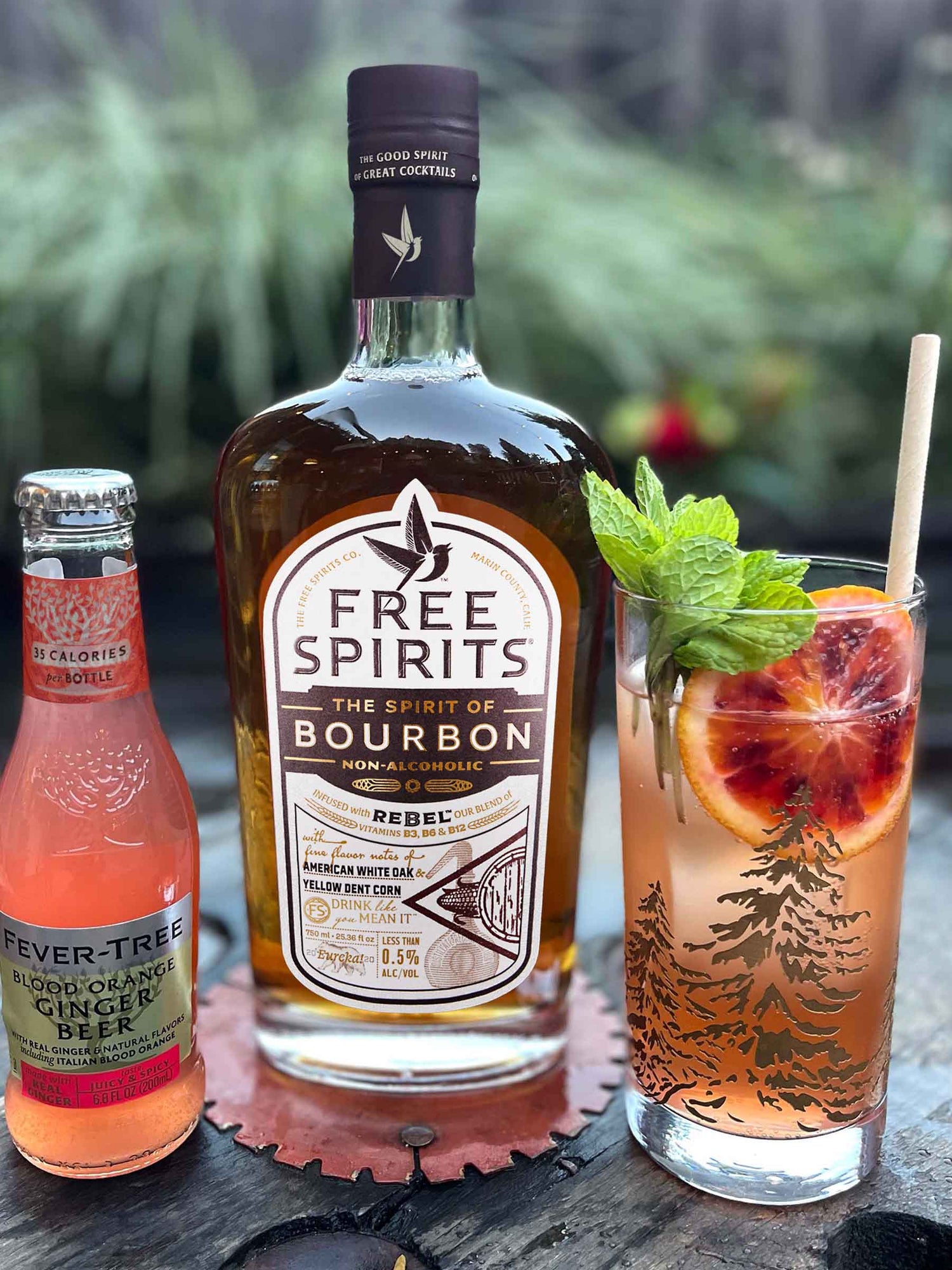
About Free Spirits: The Spirit of Bourbon

The Spirit of Bourbon mirrors the complexity and structure of classic Kentucky bourbon, crafted with real American oak and natural extracts to deliver warm spice, vanilla, and char with a sweetness an aged bourbon is known for. It brings the heft bourbon cocktails demand: enough body to stand up to bitters, the precision stirred drinks require, and the balance to carry citrus in Sours and Gold Rushes. It holds its ground alongside bold ingredients like ginger, honey, and aromatic bitters, and delivers consistent backbone in Old Fashioneds, Manhattans, Boulevardiers, and any cocktail calling for whiskey with character and restraint.

Mule Variations

The Moscow Mule has been a staple since the mid-20th century, built on a simple combination of spirit, citrus, and ginger beer. Its success comes from that structure, which is easy to adapt across different base spirits.

Swapping vodka for bourbon creates what’s often called a Kentucky Mule, bringing more weight and character to the drink. From there, variations tend to follow the same pattern, adjusting the citrus or the ginger component to shift the profile without changing the core idea.

Adding blood orange fits naturally into that lineage, softening the sharper edge of lime and giving the drink a slightly deeper citrus character while keeping it firmly in Mule territory.

Zero-Proof Cocktail Basics

What is a zero-proof cocktail?

A zero-proof cocktail is a fully built drink that follows the same principles as any classic: acid, sweetness, aromatics, dilution, and a defined base spirit. The difference is the base is non-alcoholic. When that spirit has enough structure and character, like the ones we make, you get a cocktail that drinks like a cocktail, not a compromise.

How do non-alcoholic spirits work in classic cocktail recipes?

Non-alcoholic spirits step into the role of the base spirit. They carry citrus, sugar, bitters, and dilution the same way their alcoholic counterparts do. Some recipes need small ratio adjustments, but the technique stays the same: build the drink, balance the elements, and let the base spirit define the profile.

Do zero-proof cocktails taste like the originals?

They taste like cocktails: recognizable, structured, and intentional. The goal isn't imitation; it's integrity. When the build is balanced and the spirit has presence, you get the character of the drink without relying on alcohol to do the work.

Can zero-proof cocktails have real complexity?

Yes. Complexity comes from design, not ethanol. A well-built zero-proof cocktail shows layers: aromatics, texture, finish. The craft sits in the composition, not the ABV. The right non-alcoholic spirit brings the structure; the ingredients do the rest.

What is the difference between zero-proof and low-proof cocktails?

Zero-proof cocktails contain no alcohol. Low-proof cocktails blend traditional spirits with non-alcoholic spirits to dial down the ABV while keeping the drink's identity intact. It's the easiest way to keep the ritual, cut the intensity, and stay in full control of the experience.

Why does Free Spirits work so well in both zero-proof and low-proof cocktails?

The Spirit of Bourbon is built with oak-forward depth and enough body to hold bitters and sweetness in balance. Whether you use it as the sole base or split it with traditional bourbon, it behaves like a true cocktail foundation, keeping the drink structured, complex, and true to form.