

Cranberry Orange Gin & Tonic

Cranberry Smashed G&T  - The Spirit of Gin

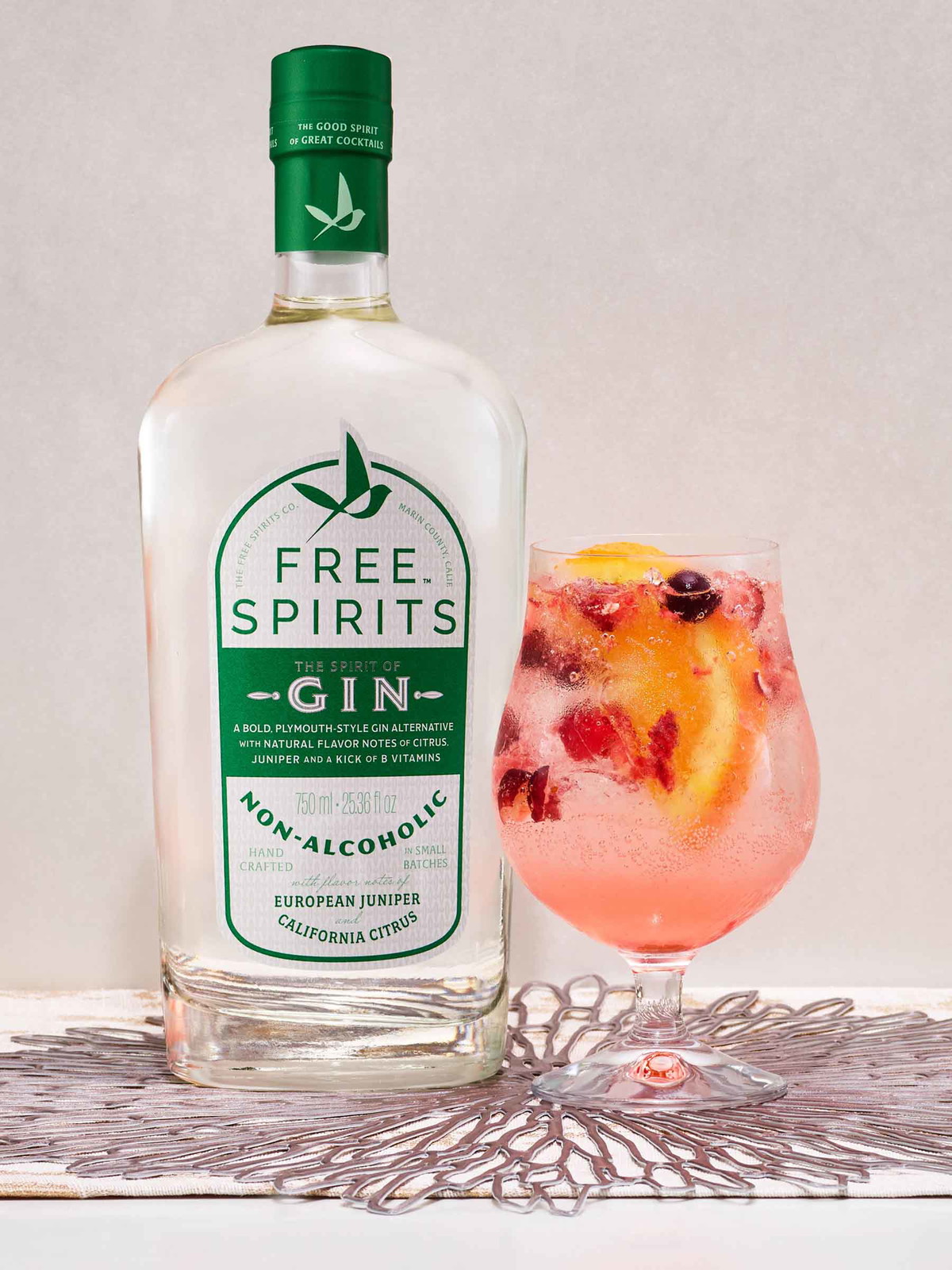
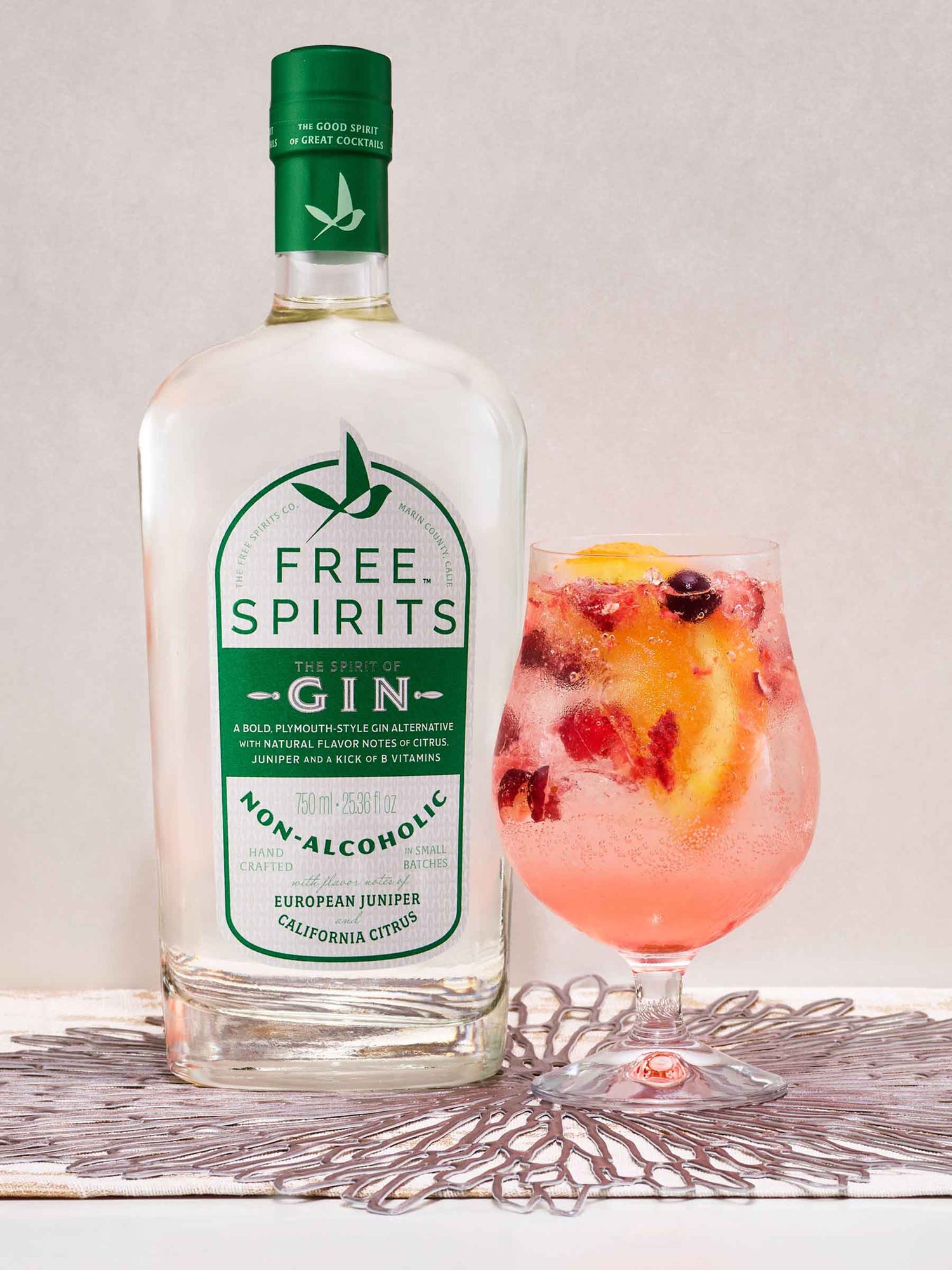
The Cranberry Orange Gin & Tonic takes its cue from the Spanish Gin Tonica, where the drink is built long, cold, and aromatic, with garnish doing real work. Lightly muddled cranberries bring a tart snap and gentle tannin, while orange adds lift through peel oil rather than sweetness.

The Spirit of Gin provides a firm botanical backbone that stands up to tonic’s bitterness and the added fruit. Finished simply and served tall, the drink stays crisp and structured, with fruit and garnish acting as accents rather than the focus.
star

Why This Works

Cranberries bring tartness and a light tannic edge without turning the drink sweet, while orange peel does what it should in a Gin Tonica, sitting on top of the glass and carrying aroma. Tonic provides bitterness and lift, keeping the drink long and refreshing. The Spirit of Gin holds its shape against both fruit and quinine, so the glass stays crisp, aromatic, and firmly in Gin Tonica territory.

About Free Spirits: The Spirit of Gin

The Spirit of Gin is modeled on the softer, earthier profile of Plymouth gin, crafted with real juniper, coriander, and citrus botanicals to deliver balanced juniper, subtle spice, and gentle citrus without turning sharp or medicinal. It has the structure needed for gin cocktails: body to carry tonic and vermouth, smoothness for spirit-forward builds, and brightness to lift citrus in Gimlets and Tom Collins variations. It holds shape and provides backbone alongside bold ingredients like elderflower, cucumber, or aromatic bitters. Performs reliably in Martinis, Negronis, Gin & Tonics, and any cocktail that expects gin with definition and restraint.

The Gin Tonica Approach

The Spanish Gin Tonica treats the Gin & Tonic as an aromatic showcase rather than a two-ingredient highball. Served in large, balloon-style glassware, the drink is designed to hold plenty of ice while giving citrus oils, herbs, and botanicals room to open up. Abundant ice and restrained garnish work together to keep the drink cold and aromatic, not diluted or cluttered. Fruit and herbs are chosen to complement the base spirit, functioning more like seasoning than flavor.

Zero-Proof Cocktail Basics

What is a zero-proof cocktail?

A zero-proof cocktail is a fully built drink that follows the same principles as any classic: acid, sweetness, aromatics, dilution, and a defined base spirit. The difference is the base is non-alcoholic. When that spirit has enough structure and character, like the ones we make, you get a cocktail that drinks like a cocktail, not a compromise.

How do non-alcoholic spirits work in classic cocktail recipes?

Non-alcoholic spirits step into the role of the base spirit. They carry citrus, sugar, bitters, and dilution the same way their alcoholic counterparts do. Some recipes need small ratio adjustments, but the technique stays the same: build the drink, balance the elements, and let the base spirit define the profile.

Do zero-proof cocktails taste like the originals?

They taste like cocktails: recognizable, structured, and intentional. The goal isn't imitation; it's integrity. When the build is balanced and the spirit has presence, you get the character of the drink without relying on alcohol to do the work.

Can zero-proof cocktails have real complexity?

Yes. Complexity comes from design, not ethanol. A well-built zero-proof cocktail shows layers: aromatics, texture, finish. The craft sits in the composition, not the ABV. The right non-alcoholic spirit brings the structure; the ingredients do the rest.

What is the difference between zero-proof and low-proof cocktails?

Zero-proof cocktails contain no alcohol. Low-proof cocktails blend traditional spirits with non-alcoholic spirits to dial down the ABV while keeping the drink's identity intact. It's the easiest way to keep the ritual, cut the intensity, and stay in full control of the experience.

Why does Free Spirits work so well in both zero-proof and low-proof cocktails?

The Spirit of Gin is built with botanical complexity and enough body to hold vermouth and citrus in balance. Whether you use it as the sole base or split it with traditional gin, it behaves like a true cocktail foundation, keeping the drink crisp, layered, and recognizable.