
Pink Gin & Tonic

Pink Gin & Tonic - The Spirit of Gin

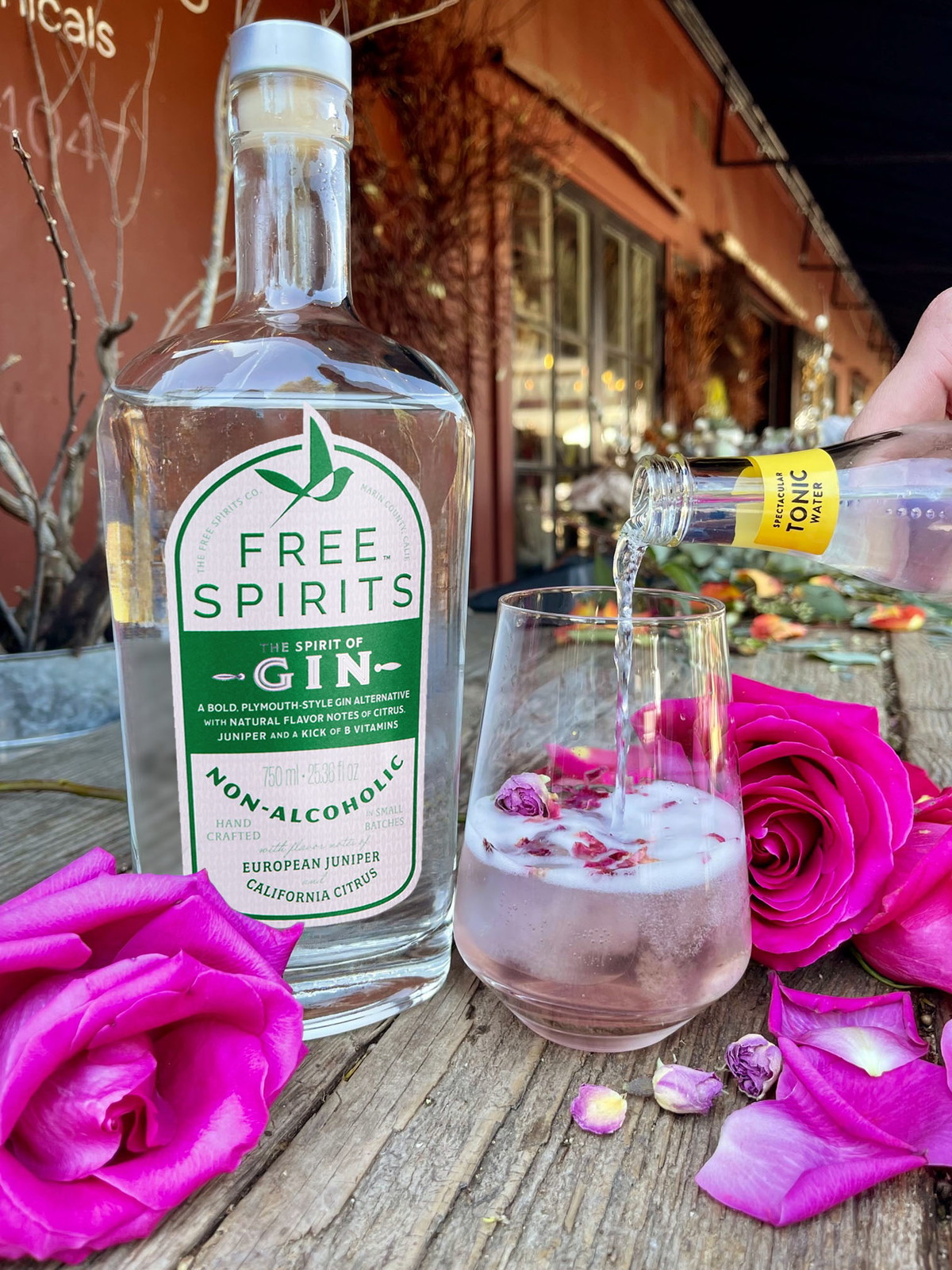
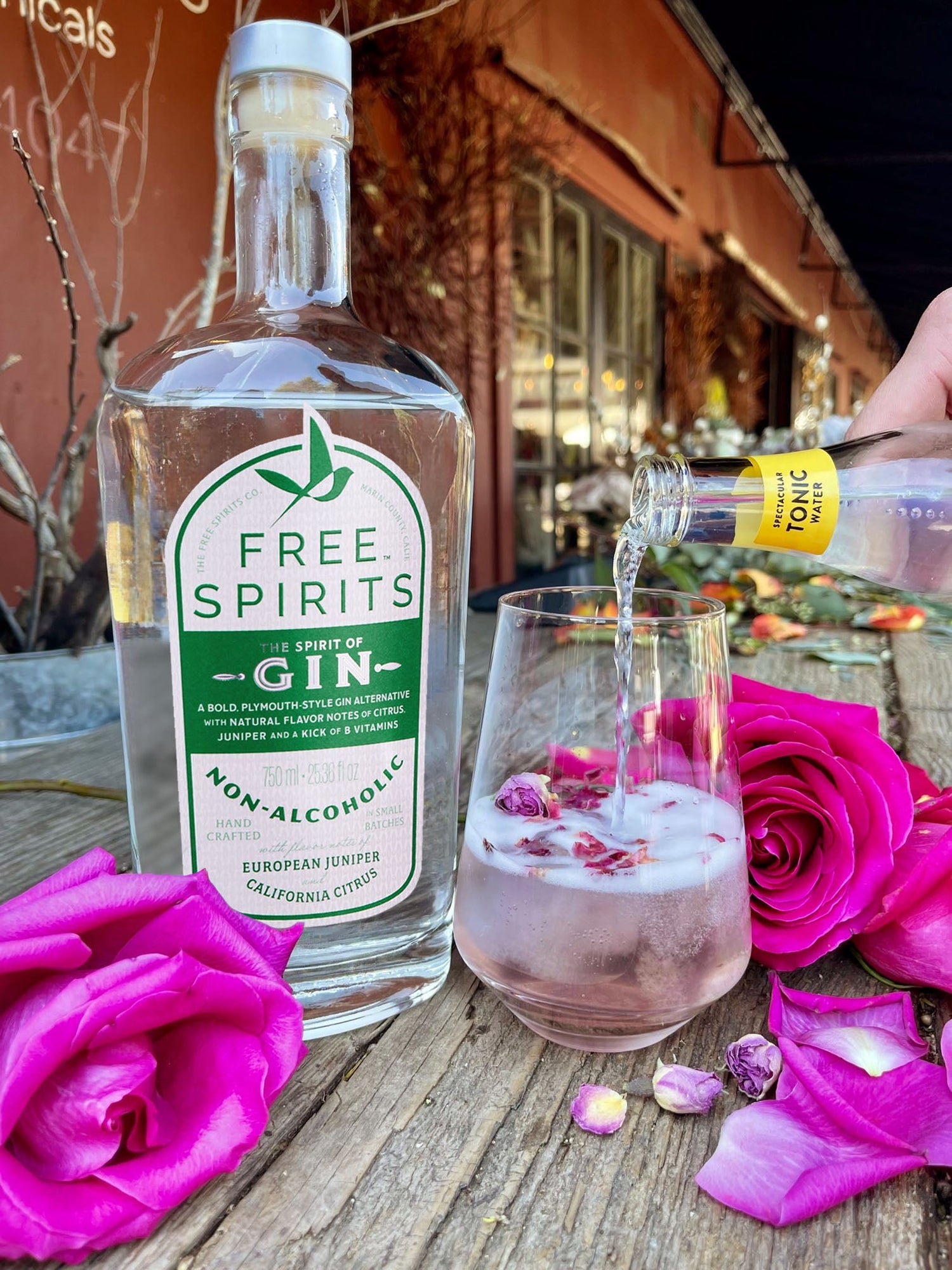
Get in the pink with this elegant, non-alcoholic twist on the classic gin and tonic. The Spirit of Gin provides a clean botanical spine, while Peychaud’s bitters introduce a soft blush hue and a touch of anise-driven lift. Dried rose buds and juniper berries bring quiet florality and texture, giving the drink a fragrant edge without tipping it sweet. Built simply in a wine glass, it’s crisp, aromatic, and visually striking.

star

Why This Works

This version stays balanced because each element reinforces the drink’s linear structure rather than complicating it. The Spirit of Gin sets a bright botanical baseline; Peychaud’s adds color and a subtle herbal lift without muting the tonic’s dryness. The rose buds and juniper berries contribute aroma rather than sweetness, keeping the profile clean and pointed. The result is a highball that’s visually elegant, aromatically layered, and structurally classic — a quiet study in restraint.

About Free Spirits: The Spirit of Gin

The Spirit of Gin is modeled on the softer, earthier profile of Plymouth gin, crafted with real juniper, coriander, and citrus botanicals to deliver balanced juniper, subtle spice, and gentle citrus without turning sharp or medicinal. It has the structure needed for gin cocktails: body to carry tonic and vermouth, smoothness for spirit-forward builds, and brightness to lift citrus in Gimlets and Tom Collins variations. It holds shape and provides backbone alongside bold ingredients like elderflower, cucumber, or aromatic bitters. Performs reliably in Martinis, Negronis, Gin & Tonics, and any cocktail that expects gin with definition and restraint.

The Blush-Toned Highball

The Pink Gin & Tonic nods to the long tradition of gin-and-bitters pairings, where small additions of aromatic bitters shape color and structure without altering the drink’s simplicity. Peychaud’s has become a favored choice in modern G&Ts for its light anise, gentle bitterness, and signature rose hue. Adding dried botanicals as garnish aligns with contemporary tonic serves that emphasize aroma and presentation rather than complexity of build.

Zero-Proof Cocktail Basics

What is a zero-proof cocktail?

A zero-proof cocktail is a fully built drink that follows the same principles as any classic: acid, sweetness, aromatics, dilution, and a defined base spirit. The difference is the base is non-alcoholic. When that spirit has enough structure and character, like the ones we make, you get a cocktail that drinks like a cocktail, not a compromise.

How do non-alcoholic spirits work in classic cocktail recipes?

Non-alcoholic spirits step into the role of the base spirit. They carry citrus, sugar, bitters, and dilution the same way their alcoholic counterparts do. Some recipes need small ratio adjustments, but the technique stays the same: build the drink, balance the elements, and let the base spirit define the profile.

Do zero-proof cocktails taste like the originals?

They taste like cocktails: recognizable, structured, and intentional. The goal isn't imitation; it's integrity. When the build is balanced and the spirit has presence, you get the character of the drink without relying on alcohol to do the work.

Can zero-proof cocktails have real complexity?

Yes. Complexity comes from design, not ethanol. A well-built zero-proof cocktail shows layers: aromatics, texture, finish. The craft sits in the composition, not the ABV. The right non-alcoholic spirit brings the structure; the ingredients do the rest.

What is the difference between zero-proof and low-proof cocktails?

Zero-proof cocktails contain no alcohol. Low-proof cocktails blend traditional spirits with non-alcoholic spirits to dial down the ABV while keeping the drink's identity intact. It's the easiest way to keep the ritual, cut the intensity, and stay in full control of the experience.

Why does Free Spirits work so well in both zero-proof and low-proof cocktails?

The Spirit of Gin is built with botanical complexity and enough body to hold vermouth and citrus in balance. Whether you use it as the sole base or split it with traditional gin, it behaves like a true cocktail foundation, keeping the drink crisp, layered, and recognizable.