

The Boulevardier

The Boulevardier

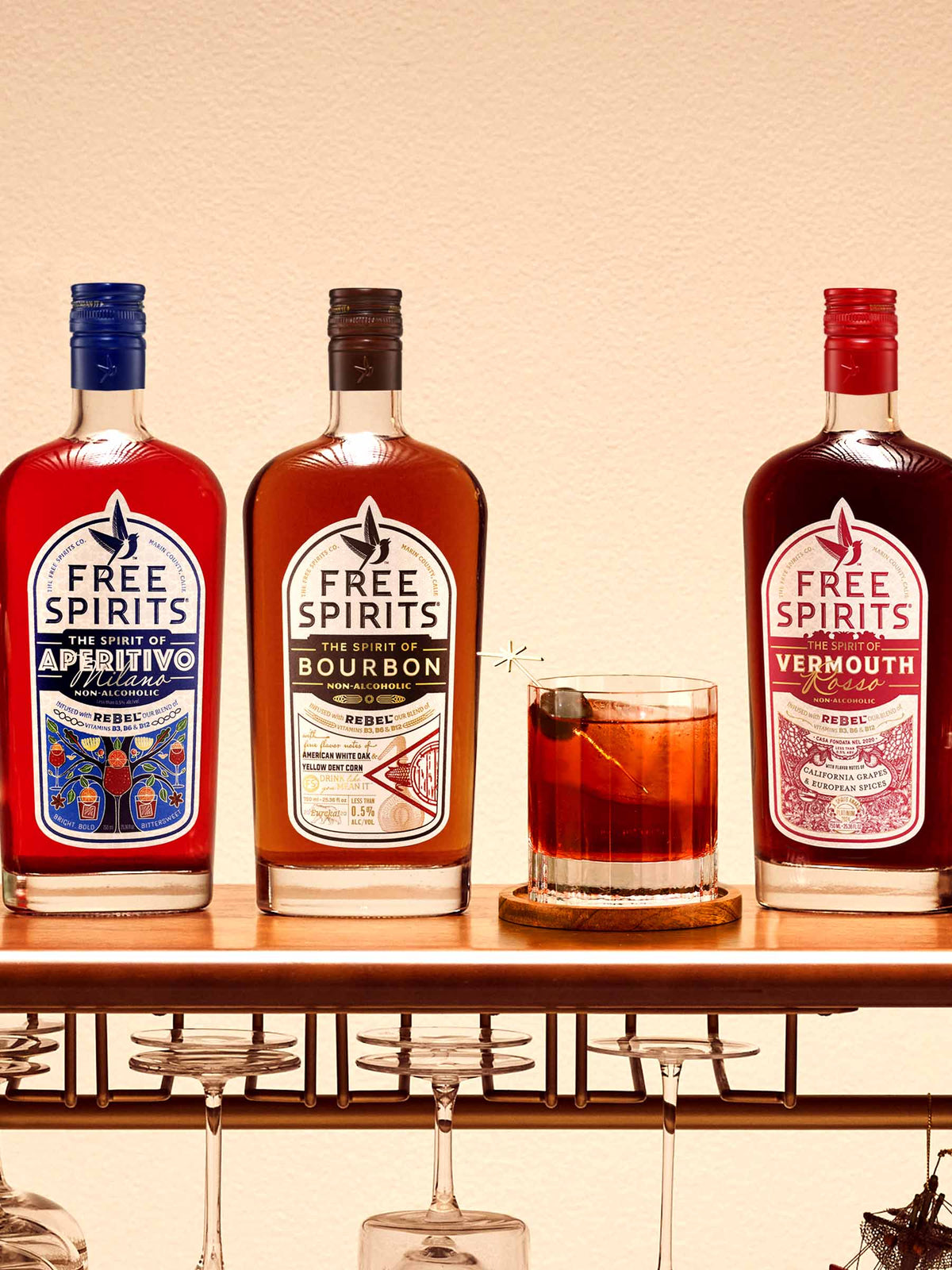
The Boulevardier takes the Negroni's famous bitter-sweet structure and gives it a bourbon backbone.

Built with The Spirit of Bourbon, The Spirit of Milano, and The Spirit of Vermouth Rosso, it trades some of the Negroni's sharper edges for a richer, rounder profile without sacrificing balance. Bitter citrus, warming spice, and subtle vanilla notes unfold slowly, making it a cocktail that rewards a little patience.

It's often described as a whiskey drinker's Negroni, which is true as far as it goes. More importantly, it's proof that a small change to a great cocktail can create something entirely its own.

star

Why This Works

The Boulevardier succeeds because it follows one of cocktail culture's most reliable formulas: spirit, bitter aperitivo, and vermouth in equal measure.

The Spirit of Bourbon brings warmth, vanilla, and structure. The Spirit of Milano contributes bitterness and bright citrus notes, while The Spirit of Vermouth Rosso ties everything together with spice, fruit, and sweetness.

No single ingredient dominates the conversation. Instead, each takes a turn, creating a drink that feels richer than a Negroni without sacrificing the balance that made the original famous.

The Boulevardier

About Free Spirits

The Spirit of Bourbon

The Spirit of Bourbon mirrors the complexity and structure of classic Kentucky bourbon, crafted with real American oak and natural extracts to deliver warm spice, vanilla, and char with a sweetness an aged bourbon is known for.

It brings the heft bourbon cocktails demand: enough body to stand up to bitters, the precision stirred drinks require, and the balance to carry citrus in Sours and Gold Rushes. It holds its ground alongside bold ingredients like ginger, honey, and aromatic bitters, and delivers consistent backbone in Old Fashioneds, Manhattans, Boulevardiers, and any cocktail calling for whiskey with character and restraint.

From Negroni to Boulevardier

The Boulevardier emerged in Paris during the 1920s and is often described as the whiskey-drinker's Negroni. The recipe follows the same basic structure, replacing gin with bourbon while keeping the bitter aperitivo and sweet vermouth intact.

The drink takes its name from The Boulevardier, a magazine published by American expatriate Erskine Gwynne in Paris. At the time, a boulevardier referred to a worldly, fashionable man about town, exactly the sort of person likely to order one.

More than a century later, the drink remains one of the most successful Negroni variations ever created. The formula changed very little because it never needed to.

Zero-Proof Cocktail Basics

What is a zero-proof cocktail?

A zero-proof cocktail is a fully built drink that follows the same principles as any classic: acid, sweetness, aromatics, dilution, and a defined base spirit. The difference is the base is non-alcoholic. When that spirit has enough structure and character, like the ones we make, you get a cocktail that drinks like a cocktail, not a compromise.

How do non-alcoholic spirits work in classic cocktail recipes?

Non-alcoholic spirits step into the role of the base spirit. They carry citrus, sugar, bitters, and dilution the same way their alcoholic counterparts do. Some recipes need small ratio adjustments, but the technique stays the same: build the drink, balance the elements, and let the base spirit define the profile.

Do zero-proof cocktails taste like the originals?

They taste like cocktails: recognizable, structured, and intentional. The goal isn't imitation; it's integrity. When the build is balanced and the spirit has presence, you get the character of the drink without relying on alcohol to do the work.

Can zero-proof cocktails have real complexity?

Yes. Complexity comes from design, not ethanol. A well-built zero-proof cocktail shows layers: aromatics, texture, finish. The craft sits in the composition, not the ABV. The right non-alcoholic spirit brings the structure; the ingredients do the rest.

What is the difference between zero-proof and low-proof cocktails?

Zero-proof cocktails contain no alcohol. Low-proof cocktails blend traditional spirits with non-alcoholic spirits to dial down the ABV while keeping the drink's identity intact. It's the easiest way to keep the ritual, cut the intensity, and stay in full control of the experience.

Why does Free Spirits work so well in both zero-proof and low-proof cocktails?

The Spirit of Bourbon is built with oak-forward depth and enough body to hold bitters and sweetness in balance. Whether you use it as the sole base or split it with traditional bourbon, it behaves like a true cocktail foundation, keeping the drink structured, complex, and true to form.