

The Negroni

The Negroni

he Negroni is one of the world's great three-ingredient cocktails, built in equal parts and dependent on each one pulling its weight.

Our non-alcoholic Negroni brings together The Spirit of Gin, The Spirit of Aperitivo Milano, and The Spirit of Vermouth Rosso for the same interplay of botanicals, bitter citrus, and rich aromatics that defines the classic. Stirred over ice and finished with an orange peel, it is bitter, complex, and remarkably simple.
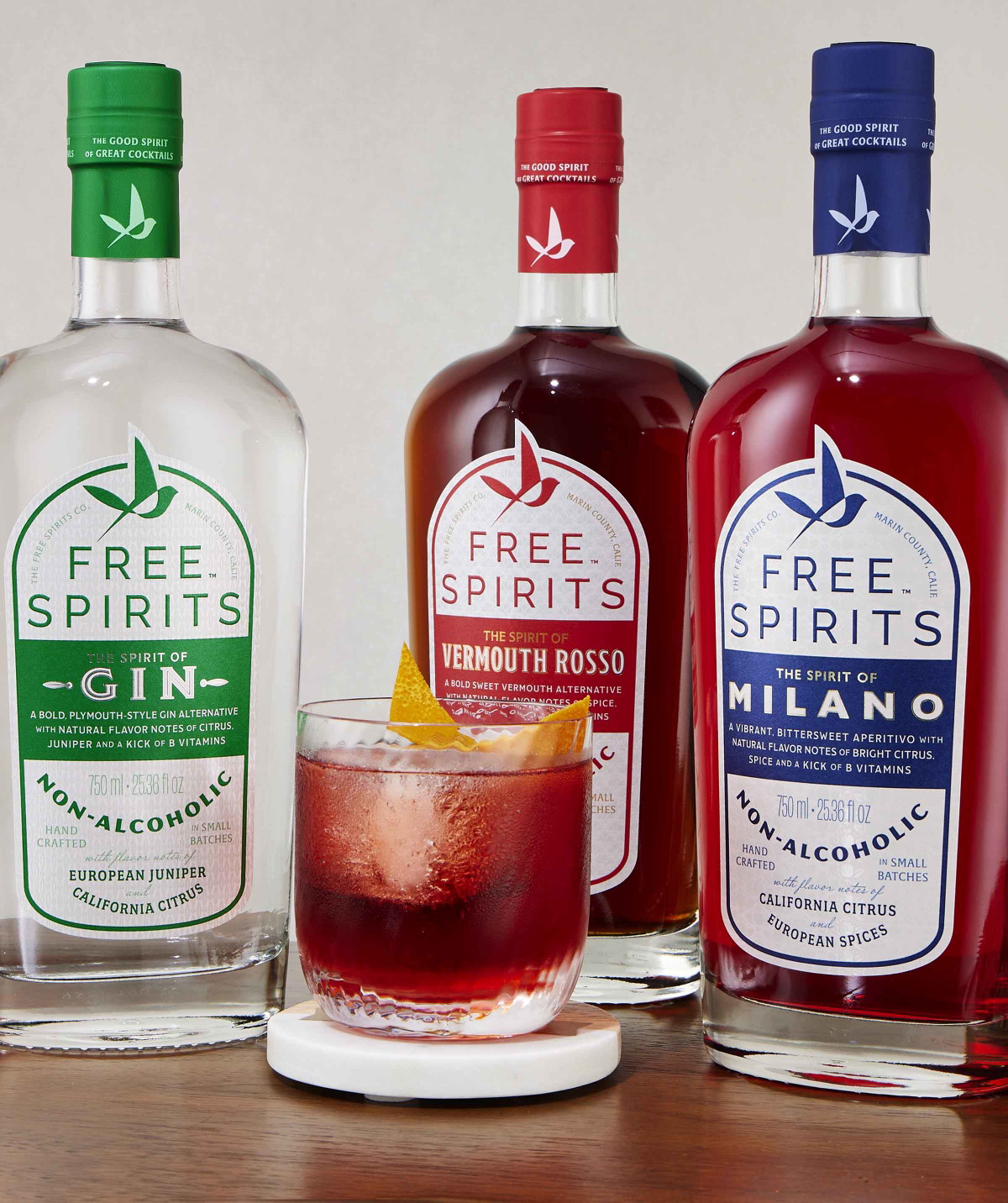
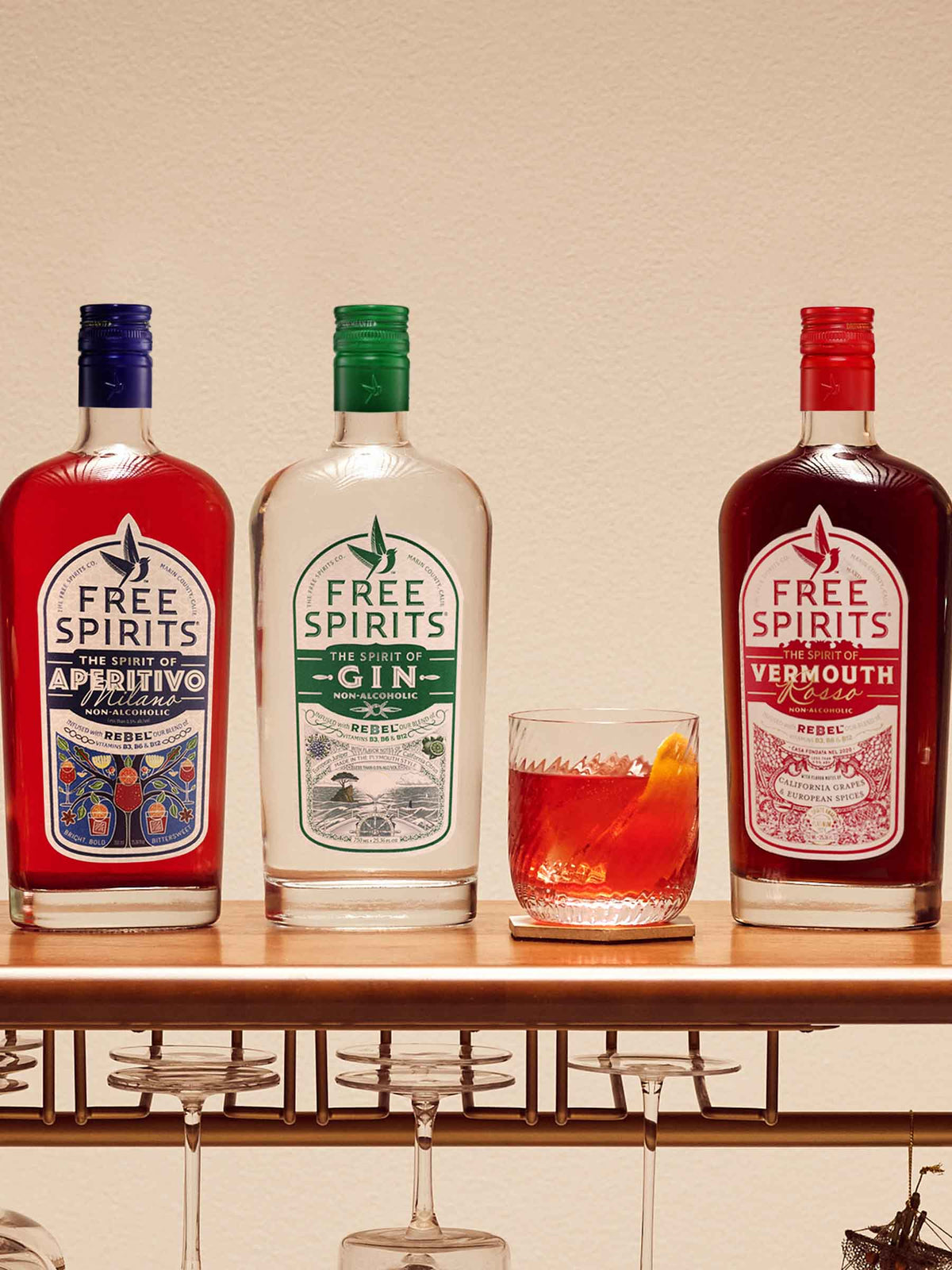
Negroni (Non-Alcoholic)

Category

Non-Alcoholic Cocktails

The Negroni is one of the world's most-loved cocktails and also one of the simplest, consisting of equal parts of just three ingredients. Traditionally made made with Gin, Campari and Sweet Vermouth, our non-alcoholic Negroni uses The Spirit of Vermouth Rosso, The Spirit of Gin, and as a non-alcoholic Campari alternative, The Spirit of Aperitivo Milano.

Negroni (Non-Alcoholic)

Ingredients

  • 1.5 oz The Spirit of Aperitivo Milano 
  • 1.5 oz The Spirit of Gin 
  • 1.5 oz The Spirit of Vermouth Rosso
  • Orange peel

Method

  1. In a rocks glass build the cocktail over one large ice cube

  2. Stir

  3. Garnish with an orange twist

Why This Works

The Negroni leaves nowhere for an ingredient to hide, which is exactly why this combination works.

The Spirit of Gin provides the dry botanical foundation. The Spirit of Aperitivo Milano contributes bitter citrus and aromatic complexity, while The Spirit of Vermouth Rosso supplies richness, spice, and the sweeter counterpoint that connects the other two. Because each occupies an equal share of the glass, the cocktail moves between bitter, botanical, and rich without any one element taking over.

An expressed orange peel reinforces the citrus aromatics already running through the drink.

The Negroni

About Free Spirits

The Spirit of Aperitivo Milano

The Spirit of Aperitivo Milano is built on the bittersweet, bitter-bright profile of northern Italian aperitivos, using citrus peel, gentian, bitter orange, and spice botanicals to deliver a pronounced bitter front, lifted citrus, and a rounded herbal core without drifting syrupy or artificial. Its structure gives spritzes real authority, with enough bite to cut through bubbles and enough depth to stay defined when lengthened with soda or tonic. The finish is clean, long, and lingering, the kind of bitterness that resets the palate rather than coating it.

Exceptional in Spritzes, Americanos, Negroni variations, and any cocktail that calls for an aperitivo with balance, vibrancy, and disciplined bitterness.

Three Ingredients, Equal Parts

The classic Negroni is traditionally made with equal parts gin, Campari, and sweet vermouth, a formula that emerged in Florence in the early 20th century. Its enduring appeal owes plenty to that simplicity: three distinct ingredients meeting in equal measure, with no citrus juice or syrup needed to bring them together.

That equal-parts template has also made the Negroni one of the most frequently riffed-on cocktails, giving rise to variations such as the Boulevardier and countless modern interpretations.

Zero-Proof Cocktail Basics

What is a zero-proof cocktail?

A zero-proof cocktail is a fully built drink that follows the same principles as any classic: acid, sweetness, aromatics, dilution, and a defined base spirit. The difference is the base is non-alcoholic. When that spirit has enough structure and character, like the ones we make, you get a cocktail that drinks like a cocktail, not a compromise.

How do non-alcoholic spirits work in classic cocktail recipes?

Non-alcoholic spirits step into the role of the base spirit. They carry citrus, sugar, bitters, and dilution the same way their alcoholic counterparts do. Some recipes need small ratio adjustments, but the technique stays the same: build the drink, balance the elements, and let the base spirit define the profile.

Do zero-proof cocktails taste like the originals?

They taste like cocktails: recognizable, structured, and intentional. The goal isn't imitation; it's integrity. When the build is balanced and the spirit has presence, you get the character of the drink without relying on alcohol to do the work.

Can zero-proof cocktails have real complexity?

Yes. Complexity comes from design, not ethanol. A well-built zero-proof cocktail shows layers: aromatics, texture, finish. The craft sits in the composition, not the ABV. The right non-alcoholic spirit brings the structure; the ingredients do the rest.

What is the difference between zero-proof and low-proof cocktails?

Zero-proof cocktails contain no alcohol. Low-proof cocktails blend traditional spirits with non-alcoholic spirits to dial down the ABV while keeping the drink's identity intact. It's the easiest way to keep the ritual, cut the intensity, and stay in full control of the experience.

Why does Free Spirits work so well in both zero-proof and low-proof cocktails?

The Spirit of Aperitivo Milano has the bittersweet complexity and structural bitterness/brightness that aperitivo cocktails depend on. It brings enough intensity to stand alone in zero-proof Negronis, Spritzes, and Americanos, yet it also integrates cleanly when split with traditional aperitivos in low-proof builds. Whether used as the full base or in a half-and-half approach, it behaves like a true aperitivo, keeping the drink bright, balanced, and instantly familiar.