

Dirty Martini (Non‑Alcoholic)

Dirty Martini

A Dirty Gin Martini should be cold, botanical, and properly briny.

This version puts The Spirit of Gin firmly at the center, with a smaller measure of DeVino Roots Bianco adding aromatic depth and two barspoons of olive brine providing the salty, savory character that defines the drink. Olives and an expressed lemon twist finish it off.

The technique is just as important as the build. The Spirit of Gin and vermouth are batched and refrigerated ahead of time, then poured with the brine directly into a frozen Martini glass. No stirring required.

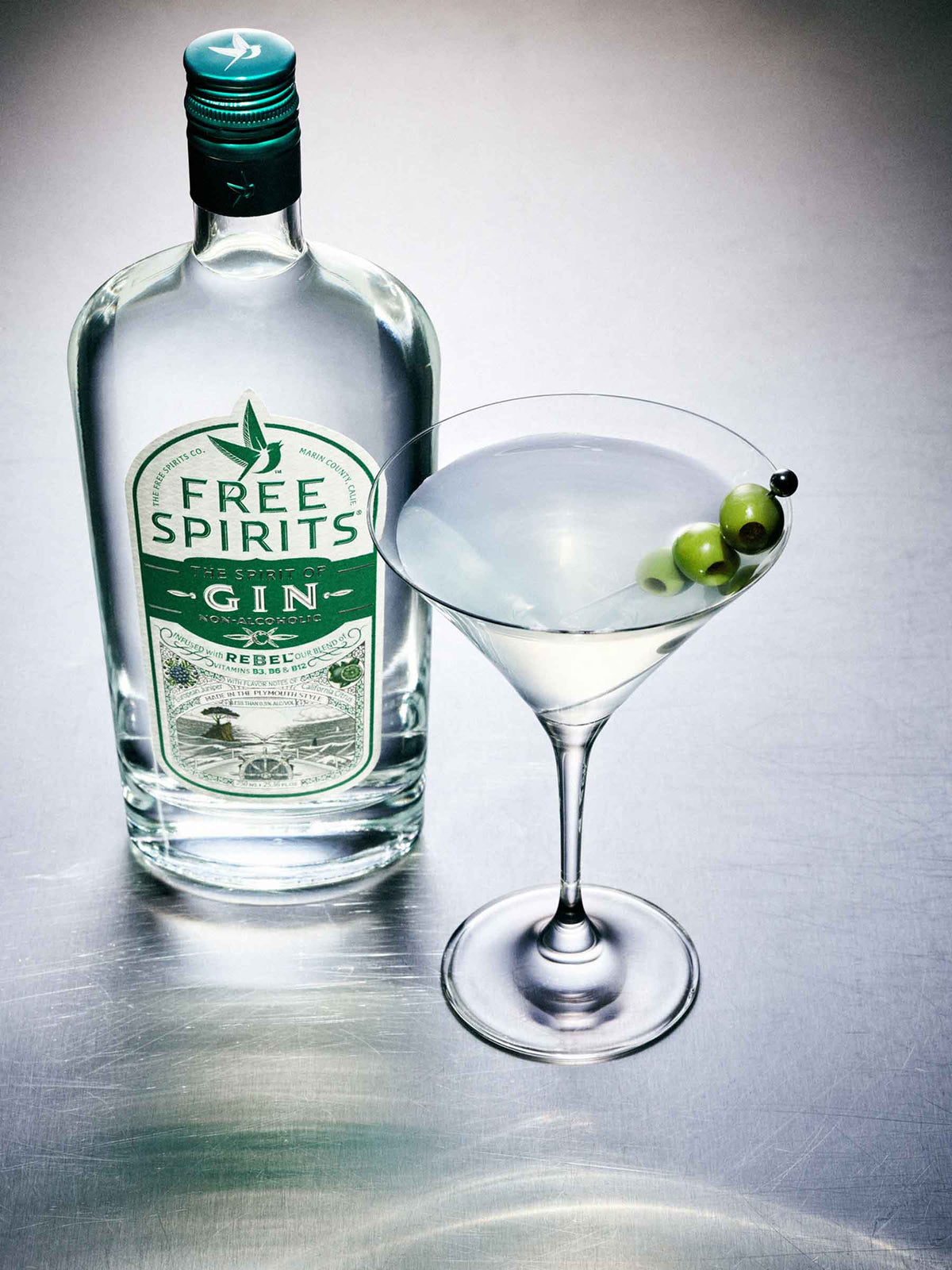
Dirty Martini (Non‑Alcoholic)

Category

Non‑Alcoholic Cocktails

A Dirty Gin Martini should be cold, botanical, and properly briny.

This version puts The Spirit of Gin firmly at the center, with a smaller measure of DeVino Roots Bianco adding aromatic depth and two barspoons of olive brine providing the salty, savory character that defines the drink. Olives and an expressed lemon twist finish it off.

The technique is just as important as the build. The Spirit of Gin and vermouth are batched and refrigerated ahead of time, then poured with the brine directly into a frozen Martini glass. No stirring required.

Dirty Martini (Non‑Alcoholic)

Ingredients

  • 2 oz The Spirit of Gin

  • ½ oz DeVino Roots Bianco

  • 2 barspoons olive brine

  • Olives, for garnish

  • Lemon twist

Method

  1. Combine The Spirit of Gin and DeVino Roots Bianco and refrigerate until thoroughly chilled.

  2. Add the chilled gin-vermouth mixture and olive brine to a frozen Martini glass.

  3. Express a lemon twist over the surface.

  4. Garnish with olives.

Why This Works

The Spirit of Gin provides the botanical foundation, while DeVino Roots Bianco adds a measured layer of herbs, fruit, and sweetness without competing with it. Two barspoons of olive brine bring the salinity and savory depth that make this unmistakably a Dirty Martini.

Pre-chilling the gin and vermouth changes the usual Martini technique. Rather than stirring the drink over ice to bring it down to temperature, the chilled batch can go directly into a frozen glass. That keeps the flavors concentrated while delivering the bracing cold a Martini calls for.

Dirty Martini (Non‑Alcoholic)

About Free Spirits

The Spirit of Gin

The Spirit of Gin is modeled on the softer, earthier profile of Plymouth gin, crafted with real juniper, coriander, and citrus botanicals to deliver balanced juniper, subtle spice, and gentle citrus without turning sharp or medicinal. It has the structure needed for gin cocktails: body to carry tonic and vermouth, smoothness for spirit-forward builds, and brightness to lift citrus in Gimlets and Tom Collins variations.

It holds shape and provides backbone alongside bold ingredients like elderflower, cucumber, or aromatic bitters. Performs reliably in Martinis, Negronis, Gin & Tonics, and any cocktail that expects gin with definition and restraint.

The Dirty Martini

The Dirty Martini takes the classic combination of gin and vermouth and introduces olive brine, adding salinity and a distinctly savory dimension. How much brine makes a Martini properly dirty is a matter of preference, but the basic logic remains the same: gin leads, vermouth supports, and olive brine changes the character of the drink entirely.

This version uses a 4:1 ratio of The Spirit of Gin to vermouth, keeping the botanical character of the gin firmly in focus.

Zero-Proof Cocktail Basics

What is a zero-proof cocktail?

A zero-proof cocktail is a fully built drink that follows the same principles as any classic: acid, sweetness, aromatics, dilution, and a defined base spirit. The difference is the base is non-alcoholic. When that spirit has enough structure and character, like the ones we make, you get a cocktail that drinks like a cocktail, not a compromise.

How do non-alcoholic spirits work in classic cocktail recipes?

Non-alcoholic spirits step into the role of the base spirit. They carry citrus, sugar, bitters, and dilution the same way their alcoholic counterparts do. Some recipes need small ratio adjustments, but the technique stays the same: build the drink, balance the elements, and let the base spirit define the profile.

Do zero-proof cocktails taste like the originals?

They taste like cocktails: recognizable, structured, and intentional. The goal isn't imitation; it's integrity. When the build is balanced and the spirit has presence, you get the character of the drink without relying on alcohol to do the work.

Can zero-proof cocktails have real complexity?

Yes. Complexity comes from design, not ethanol. A well-built zero-proof cocktail shows layers: aromatics, texture, finish. The craft sits in the composition, not the ABV. The right non-alcoholic spirit brings the structure; the ingredients do the rest.

What is the difference between zero-proof and low-proof cocktails?

Zero-proof cocktails contain no alcohol. Low-proof cocktails blend traditional spirits with non-alcoholic spirits to dial down the ABV while keeping the drink's identity intact. It's the easiest way to keep the ritual, cut the intensity, and stay in full control of the experience.

Why does Free Spirits work so well in both zero-proof and low-proof cocktails?

The Spirit of Gin is built with botanical complexity and enough body to hold vermouth and citrus in balance. Whether you use it as the sole base or split it with traditional gin, it behaves like a true cocktail foundation, keeping the drink crisp, layered, and recognizable.